
Why Does Drop Test Matter for Collapsible Jerry Can?
A filled water container falls from someone's head. It hits the ground hard. If it cracks or leaks, a family loses their daily water supply. This is not a lab scenario. It happens every day.
The drop test matters for collapsible water containers because it simulates real-world accidents. In many communities, people carry filled jerrycans on their heads. A 2-meter drop test confirms the container can survive a fall from head height without cracking or leaking, protecting the user's water supply.
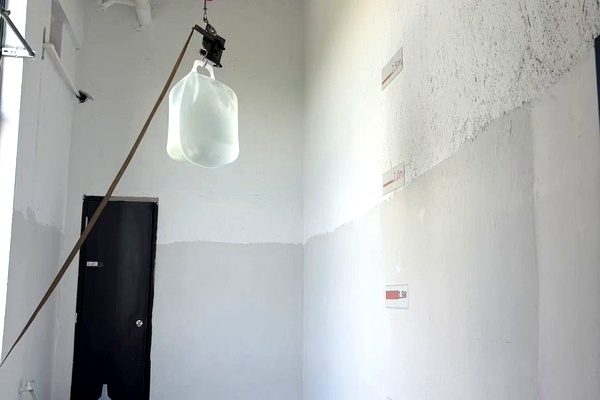
I used to think the drop test was just another line item on a specification sheet. A box to check. A number to hit. But after years of working with humanitarian procurement teams, I now see it differently. The drop test is one of the most practical quality indicators for any collapsible water container designed for field use. Let me explain why.
What Is the 2-Meter Drop Test and Where Does It Come From?
Most suppliers know the drop test exists. But few ask why the height is set at 2 meters. The answer is surprisingly simple and human.
The 2-meter drop test requires a filled collapsible water container to be dropped from 2 meters onto a hard surface without catastrophic failure. This height represents the approximate distance from an adult's head to the ground, reflecting how containers are actually carried in many regions.

I learned this directly from an ICRC procurement officer during a supplier meeting several years ago. At first, I did not fully understand why a collapsible jerrycan needed to survive a 2-meter drop when filled with water. The container is flexible. It folds flat. Why would it need to handle such impact?
The officer explained it clearly. Many jerrycans are supplied to communities in Africa and other regions where people carry water containers on their heads. This is not occasional. It is the standard method of transport. Women and children walk long distances with a full 10-liter or 20-liter container balanced on their heads.
What happens during a real drop?
| Scenario | Drop Height | Impact Force | Consequence if Failure |
|---|---|---|---|
| Container slips from head | ~1.8–2.0 m | Very high (full weight + gravity) | Water loss, container damage |
| Container falls from truck | ~1.0–1.5 m | High | Possible puncture or seam split |
| Container dropped during filling | ~0.5 m | Moderate | Usually survivable |
The 2-meter test covers the worst realistic case. If the container passes this test, it can handle most other drop scenarios in daily life. The test is not arbitrary. It maps directly to user behavior.
Why Do Some Collapsible Containers Fail the Drop Test?
Not all collapsible water containers are built the same. Some pass easily. Others fail on the first drop. The reasons usually come down to material choice, seam construction, and spout design.
Collapsible containers fail drop tests mainly due to weak weld seams, thin wall material, or rigid spout connections that crack under impact. These failures often appear only under full-load conditions, which is why testing must be done with the container completely filled.
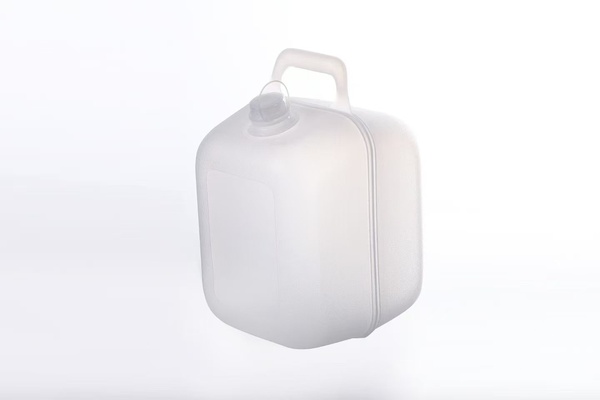
I have seen containers that look perfect in a showroom but split open on the first drop. The most common failure point is the seam between panels. When a filled container hits the ground, the water inside creates a sudden hydraulic pressure spike. This pressure pushes outward in all directions. If the seam welding is shallow or inconsistent, it gives way.
Common failure points in collapsible containers
| Failure Point | Root Cause | How to Prevent |
|---|---|---|
| Side seam split | Insufficient weld width or depth | Use wider weld overlap, increase temperature control |
| Spout crack | Rigid plastic meets flexible body | Use reinforced collar or flexible spout material |
| Corner burst | Stress concentration at fold lines | Add radius to corners, avoid sharp fold geometry |
| Handle tear-out | Handle attachment too small | Increase attachment area, reinforce with extra layer |
The spout area is another weak point. Many designs use a rigid HDPE spout welded onto a flexible PE or TPU body. When the container hits the ground spout-first, the rigid piece cannot absorb energy. It cracks. Or it tears away from the body. Either way, the container leaks.
Good design accounts for these forces. Good testing confirms the design works. Without the drop test, these hidden weaknesses stay hidden until they fail in the field.
How Does Drop Test Performance Connect to Real User Safety?
The drop test is not just about the container. It is about the people who depend on it. A failed container in the field is not a minor inconvenience. It can mean a family goes without clean water for a day or more.
Drop test performance directly connects to user safety because a broken container in the field means lost water, wasted time, and potential health risks. In humanitarian settings, replacement containers are not easily available, making each unit's durability critical to daily survival.

I remember a project manager telling me about a distribution in South Sudan. Thousands of collapsible jerrycans were handed out. Within the first week, reports came back that many containers were leaking after being dropped. Families had to walk back to the distribution point. Some walked over 5 kilometers. Others shared containers with neighbors, which meant less water per person.
The real cost of a failed container
| Impact Area | Consequence | Who Is Affected |
|---|---|---|
| Water access | Family loses daily water supply | Women, children, elderly |
| Time | Extra trip to water source or distribution point | Primary water collectors |
| Health | Risk of using unsafe alternative sources | Entire household |
| Trust | Reduced confidence in aid supplies | Community and implementing organization |
| Cost | Replacement procurement and logistics | Funding organization |
This is why procurement officers at organizations like ICRC, UNHCR, and UNICEF take the drop test seriously. They are not testing for fun. They are protecting people. Every container that passes the test is one less failure in the field. Every failure in the lab is one less failure in someone's hands.
For us as a supplier, understanding this connection changed how we approach quality control. We do not test because the spec says so. We test because we know what happens when a container fails at 6 AM on a dirt road in a refugee camp.
What Standards Govern the Drop Test for Humanitarian Water Containers?
Several international standards and procurement specifications define how the drop test should be conducted. Knowing these standards helps suppliers prepare and helps buyers verify compliance.
The main standards governing drop tests for humanitarian water containers include ICRC specifications, UNHCR technical guidelines, and relevant ISO standards. These define drop height, fill level, temperature conditions, number of drops, and acceptable outcomes after testing.
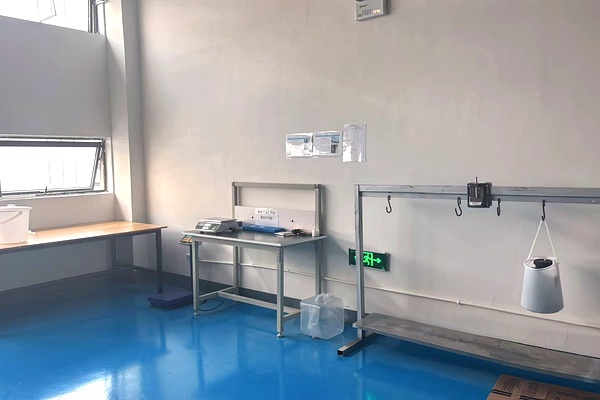
Different organizations have slightly different requirements, but the core principle is the same. A filled container must survive a drop from a defined height without leaking or breaking. The differences are in the details.
Comparison of key drop test requirements
| Specification | Drop Height | Fill Level | Number of Drops | Temperature | Pass Criteria |
|---|---|---|---|---|---|
| ICRC | 2.0 m | 100% capacity | Multiple orientations | Ambient (and sometimes low temp) | No leakage, no structural failure |
| UNHCR | 1.8–2.0 m | 100% capacity | Typically 3–6 drops | Ambient | No leakage |
| ISO 16534 (rigid) | 1.8 m | 100% capacity | Multiple orientations | Ambient and cold | No leakage, no cracks |
| Internal Folduxe standard | 2.0 m | 100% capacity | 6 drops, all orientations | Ambient + cold (0°C) | No leakage, seam integrity maintained |
At Folduxe, we test at the highest common requirement. We drop from 2 meters. We fill to full capacity. We drop on every face, every edge, and every corner. We also test at cold temperatures because materials become more brittle when cold. A container that passes at room temperature might fail at 5°C in a highland climate.
We document every test with video and written records. This gives our clients full traceability. If a question comes up during field deployment, we can go back to the test data and show exactly what that production batch went through before shipment.
How Can Suppliers Improve Drop Test Performance?
Improving drop test performance is not about one single change. It requires attention across the entire design and production process. Material, geometry, welding, and assembly all play a role.
Suppliers can improve drop test performance by selecting higher-impact-resistance materials, optimizing seam weld parameters, reinforcing stress concentration areas, and conducting regular production-line testing rather than relying only on type testing.
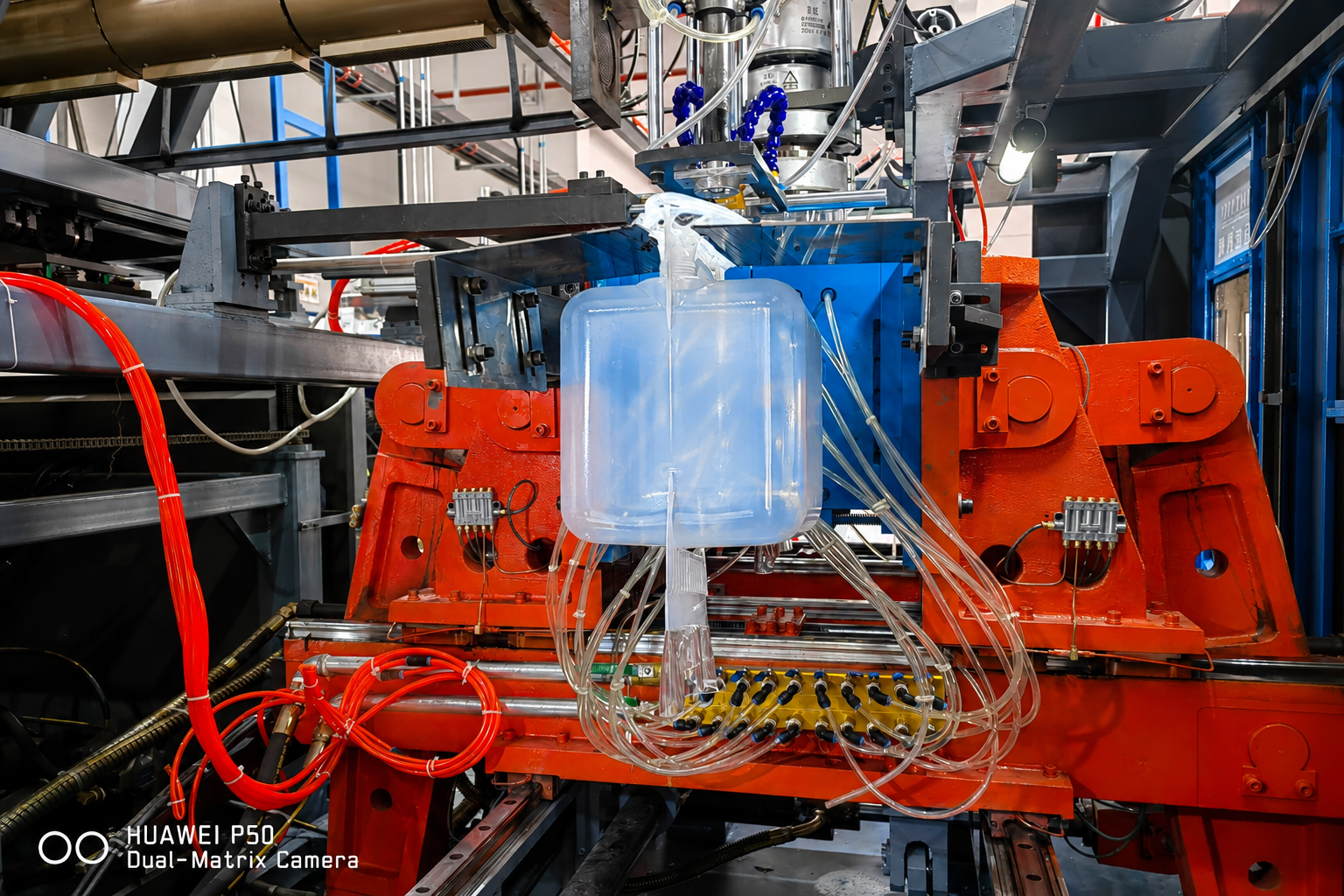
Over the years, we have made many improvements to our collapsible container designs based on drop test feedback. Each failure taught us something. Each redesign brought better results.
Key improvement strategies
| Strategy | Action | Expected Result |
|---|---|---|
| Material upgrade | Use multi-layer PE film with higher elongation at break | Better energy absorption on impact |
| Weld optimization | Increase weld width by 2–3 mm, tighten temperature tolerance | Stronger seam under hydraulic pressure |
| Corner reinforcement | Add extra material layer at high-stress corners | Prevent corner burst failures |
| Spout redesign | Use semi-flexible spout collar with gradual transition zone | Reduce crack risk at spout-body junction |
| Cold testing | Add routine cold-temperature drop tests | Catch brittle failures before shipment |
| Production sampling | Test 1–2 units per batch during production | Detect process drift early |
One specific lesson I learned: the weld is only as strong as the weakest point along its length. A 99% good weld with one thin spot will fail at that spot. So consistency matters more than peak strength. We invested in better machine calibration and operator training specifically to address this.
Another lesson: the geometry of the container affects how force distributes on impact. Sharp corners concentrate stress. Rounded corners spread it. Small design changes in corner radius made a measurable difference in our pass rates.
Conclusion
The drop test exists because real people carry real water containers on their heads every day. It protects families, builds trust, and ensures every container delivered can survive the life it was made for.