What is Oxfam Jerry Bucket?
“In emergency work, a simple water bucket can create a real hygiene risk. The lid can touch dirty ground, and safe water can become unsafe again.” Said by Oxfam.
An Oxfam Jerry Bucket is a humanitarian water container designed to reduce contamination during water collection, storage, and cleaning.1 Its key idea is simple: the lid does not need to be fully removed during normal use. Users can fill, pour, and clean through lid openings.
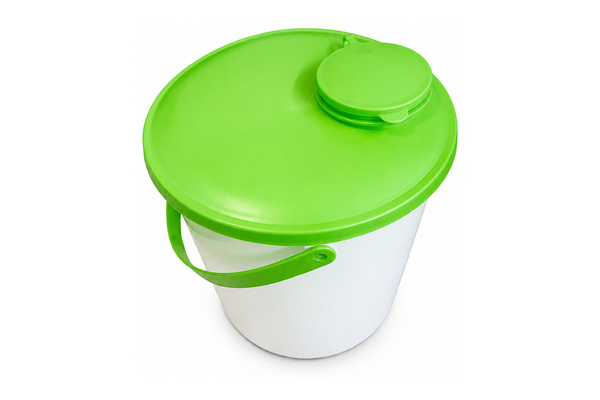
The Oxfam Jerry Bucket is not just a bucket with a lid. It is a product shaped by field use. Its design came from real behavior in camps, disaster areas, and low-resource settings.2 The main lesson is clear. A water container must work with people’s habits, not only with a drawing on paper.
Why Was the Oxfam Jerry Bucket Designed Differently?
A normal bucket looks simple, but it can cause problems in emergency use. People need to open the lid, collect water, clean the inside, and close it again.
The Oxfam Jerry Bucket was designed differently because fully removable lids often became contaminated. Users could place the lid on the ground during filling or cleaning. The improved design keeps the lid connected to normal use and reduces direct contact with dirty surfaces.
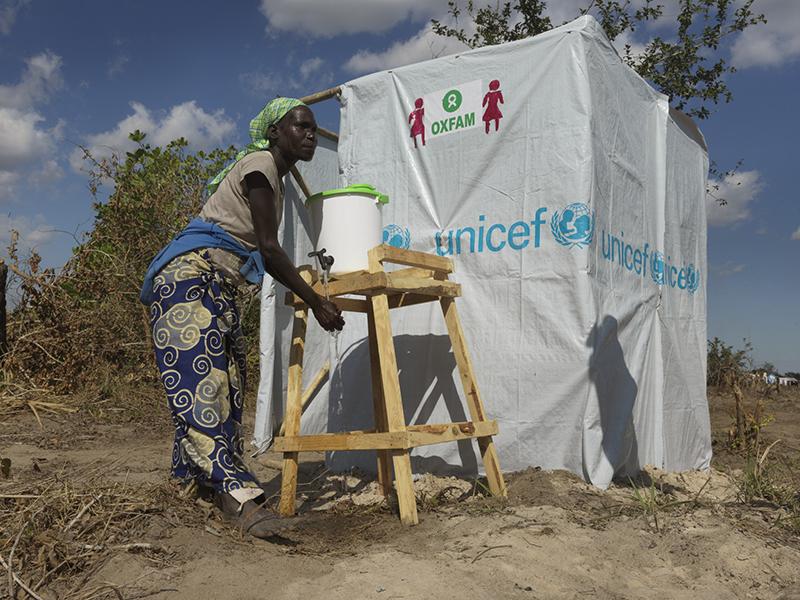
In many relief projects, standard water buckets were used in large numbers. These buckets met basic needs, but field teams noticed a common problem. The lid had to be removed for filling and cleaning. In daily use, people often placed the lid on the soil, on a floor, or beside a water point. That action looked small, but it created a hygiene risk. Dirt, waste water, and germs could move from the ground to the lid. Then the lid went back onto the bucket.
The Oxfam Jerry Bucket design answered this problem in a very practical way. The lid structure was changed. Users did not need to remove the whole lid for normal water intake. Openings in the lid allowed filling and cleaning. This kept the main lid in place and reduced the chance that the clean water container would become dirty again.
| Design Issue | Field Problem | Design Response |
|---|---|---|
| Removable lid | Lid placed on dirty ground | Lid stays in place during use |
| Narrow access | Hard to clean inside | Opening supports cleaning |
| Daily handling | Users act fast under stress | Simple and clear operation |
| Water hygiene | Clean water can be re-contaminated | Less contact with dirty surfaces |
This is why the product is important. It shows that humanitarian design is not only about strength or capacity. It is also about normal human behavior.
How Does the Lid Improve Hygiene and Usability?
A water container must be easy to use, or people will not use it as planned. A good lid must protect water and still allow quick filling and cleaning.
The lid improves hygiene by limiting full lid removal. It improves usability by giving users practical openings for filling, pouring, and cleaning. This helps reduce contamination risk while keeping the bucket simple for daily use.
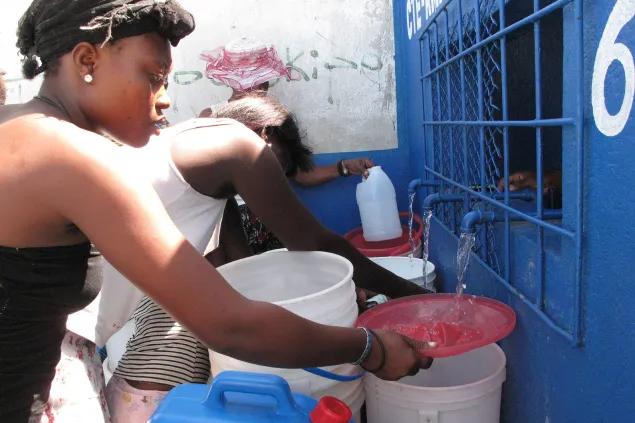
In emergency areas, users may collect water in crowded places. They may carry the container back to a shelter. They may store it near cooking items, children, and other household goods. The container must support all these actions. If the design is too complicated, people may ignore the feature. If the design is too weak, it may fail during transport. If the opening is too small, cleaning becomes hard.
The improved lid structure gives a better daily-use pattern. The user can access the inside without removing the full top. This one change helps protect the bucket from contact with dirty surfaces. It also keeps the product familiar. It still looks like a bucket. It still works like a bucket. But it solves a real field problem.
| User Need | Product Need | Good Design Result |
|---|---|---|
| Fast water collection | Wide enough access | Less waiting and easier filling |
| Safer storage | Covered container | Lower contamination risk |
| Simple cleaning | Reachable opening | Better long-term use |
| Easy training | Clear structure | Less misuse in the field |
This is why the Oxfam Jerry Bucket became a useful reference in humanitarian supply. The design is not fancy. The value comes from small details that matter every day.
Why Is the Oxfam Jerry Bucket Used in Humanitarian Procurement?
Relief procurement needs products that are safe, repeatable, and field-tested. A product must also be easy to ship, store, and distribute at scale.
The Oxfam Jerry Bucket is used in humanitarian procurement because it responds to real emergency needs. Its design supports safer water handling, practical cleaning, and daily household use. It has also been promoted through Oxfam experience and adopted in wider humanitarian supply channels.
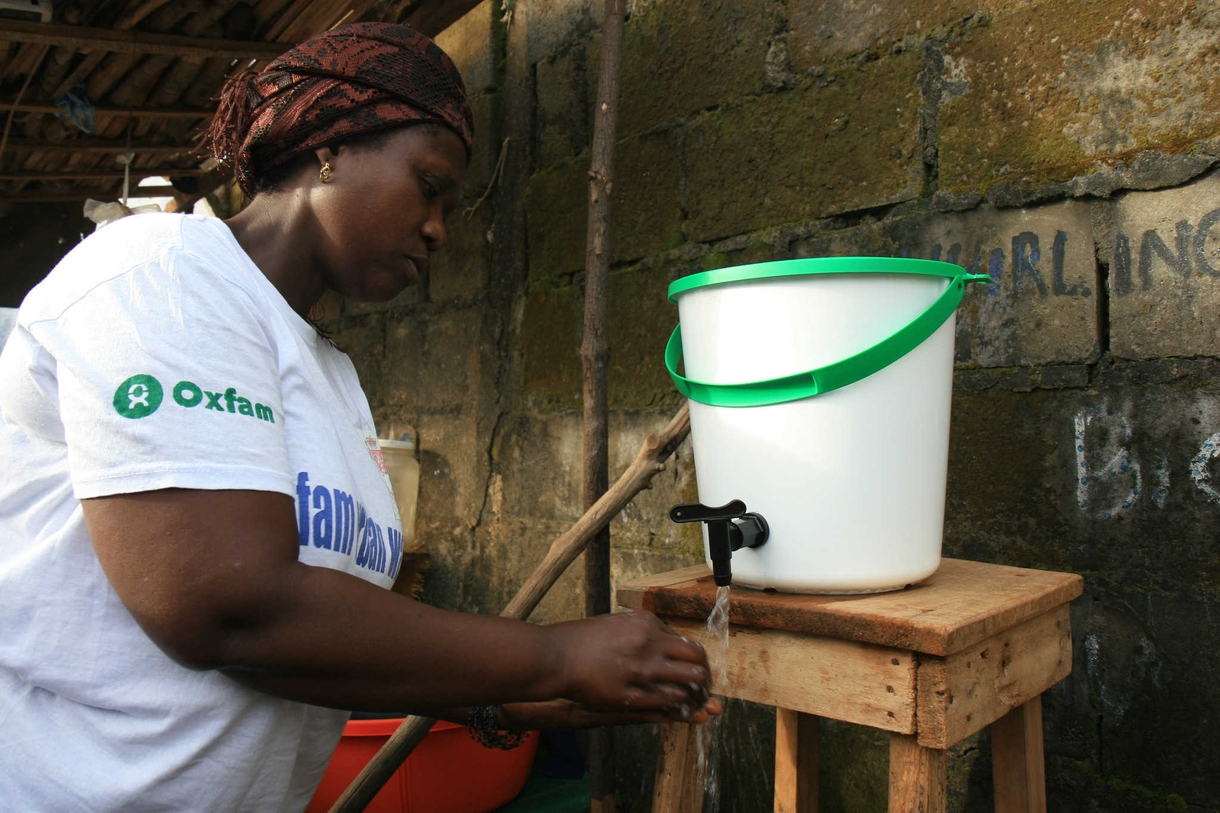
Humanitarian organizations often buy water containers in large quantities. These products go to disaster zones, refugee settlements, and emergency response projects. In these places, the container is not a small accessory. It is part of daily life. People use it for drinking water, washing, cooking, and household storage.
The Oxfam Jerry Bucket gained attention because it came from field feedback. The product did not start only from engineering targets. It started from watching how people used normal buckets. That observation led to a better design. Later, with more feedback and small improvements, the design became more accepted in relief supply.
Oxfam helped promote this type of bucket through humanitarian programs. Other organizations also learned from the same design logic. UNICEF-related procurement has also increasingly used this kind of improved water container as part of standard supply. This does not mean every project uses the exact same model. It means the design idea has become more common.
| Procurement Concern | Why It Matters | Jerry Bucket Value |
|---|---|---|
| Hygiene | Water must stay safer after collection | Lid reduces contamination risk |
| Durability | Products face rough field use | Strong structure supports daily handling |
| Usability | Users need simple operation | Openings make use easier |
| Standard supply | Buyers need repeatable items | Design fits relief distribution |
The main lesson is simple. Humanitarian products improve when design teams listen to field use. A small action, like placing a lid on the ground, can create a serious risk. A better lid can reduce that risk without making the product hard to use.
Conclusion
The Oxfam Jerry Bucket is a field-driven water container. Its value comes from better hygiene, simple use, and design based on real emergency behavior.
"Introducing the Oxfam Jerry Bucket | Videos & Movies on Vimeo", https://vimeo.com/229276502. Oxfam and humanitarian WASH documentation describe the Jerry Bucket as an emergency water container whose lid and access features are intended to reduce contamination during normal water handling. Evidence role: definition; source type: institution. Supports: A humanitarian or Oxfam source describing the Jerry Bucket as a water container designed for emergency use and reduced contamination.. ↩
"8 things that make our bucket life-changing - Oxfam", https://www.oxfamamerica.org/explore/stories/8-things-that-make-our-bucket-life-changing/. A humanitarian design case study on the Oxfam Jerry Bucket would support the historical claim that its lid and access features were developed in response to observed field behavior rather than solely from laboratory specifications. Evidence role: historical_context; source type: institution. Supports: A case study or institutional account explaining that the Jerry Bucket design was developed from field experience or observed use of conventional buckets.. Scope note: Contextual if the source discusses field-driven humanitarian design generally but does not document the exact camps or disaster sites. ↩